
nature walk

Nature Walk
Embracing the Benefits of Nature Walks
Understanding Nature Walks: A Path to Mental Clarity
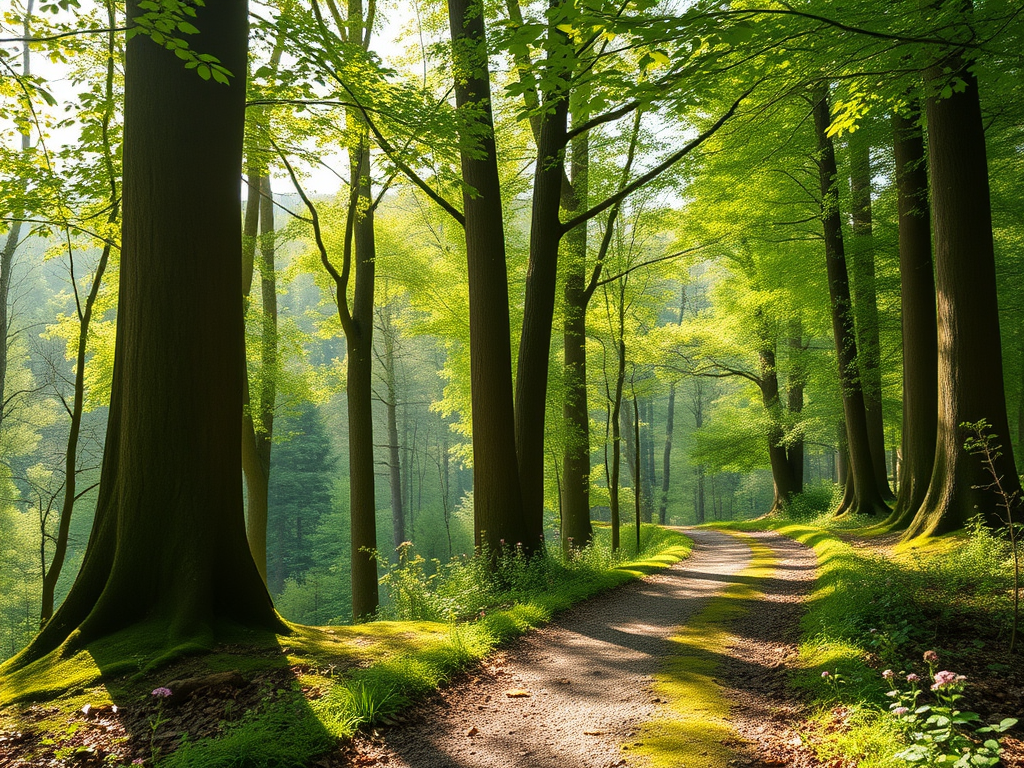
Nature walks are a fantastic way to reconnect with the natural world and promote mental well-being. Engaging in a leisurely stroll amidst greenery can significantly reduce stress and elevate mood. The tranquility of nature allows individuals to find solace and clarity in a chaotic world. Studies have shown that spending time in natural settings can improve focus, enhance creativity, and foster a sense of peace. As you walk, you can take in the sights and sounds, or even focus on different elements of your surroundings, allowing your mind to reset and rejuvenate.
Purpose of This Article: Your Guide to a Peaceful Mind
In this article, readers can expect to delve deeper into the multifaceted benefits of nature walks and how to maximize their impact on mental health. We'll explore strategies for fully immersing yourself in the experience, tips for engaging children during nature walks, and ways to integrate these calming outings into your routine for lasting benefits. By the end, you'll have a comprehensive understanding of how nature walks can foster mental clarity, reduce anxiety, and provide you with a fresh perspective on life.
Exploring the Transformative Benefits of Nature Walks
Enhancing Mental Health Through Nature Walks
Nature walks serve as a powerful antidote for the stress and chaos of modern life. Immersing ourselves in the beauty of the natural world can provide a much-needed escape, allowing our minds to recharge and heal. Research has shown that spending time in nature is linked to reduced levels of cortisol, the hormone associated with stress.
Walking among trees, listening to the calming sounds of birdsong, and observing the vibrant colors of flowers can elevate our mood and enhance our emotional well-being. These experiences foster mindfulness—an awareness of the present moment—helping to clear distracting thoughts and anxiety. Many people find that being in nature improves their focus, making it easier to concentrate and find clarity in their thoughts.
Moreover, nature walks can stimulate creativity. Engaging with the natural environment often inspires new ideas and perspectives. Those who seek solitude or prefer quiet moments during their walks often report deeper reflections and insights, reinforcing the therapeutic potential of nature.
Additionally, nature walks are an excellent way to disconnect from the incessant distractions of technology. By minimizing screen time and embracing the world around us, we not only alleviate mental fatigue but also cultivate a deeper connection with nature, leading to a more fulfilling and peaceful state of mind.
Reaping Physical Health Benefits from Walking in Nature
The physical health benefits of walking in nature extend far beyond simple exercise. Many studies suggest that regular walking can significantly improve cardiovascular health, enhancing heart function and circulation. Engaging in moderate physical activities, such as brisk walking on natural trails, can strengthen muscles, improve flexibility, and support weight management.
Furthermore, walking outdoors exposes us to natural light, which plays a crucial role in regulating our circadian rhythms and promoting better sleep patterns. Good sleep, in turn, enhances our overall health and supports metabolic functions. Another significant advantage of nature walks is the reduced impact on our joints compared to running or high-intensity workouts. The softer surfaces found on trails and grass alleviate stress on our bones and joints, making walking a gentle yet effective form of exercise.
Additionally, spending time in green spaces is linked to improved immune function and reduced risks of chronic diseases. Nature's restorative powers are known to enhance our overall sense of vitality. The combination of physical movement with the enriching experience of being surrounded by nature creates a holistic approach to health and wellness.
In conclusion, whether you’re seeking mental tranquility or physical revitalization, nature walks offer a multitude of benefits that integrate mind and body. They provide a unique opportunity to embrace the healing powers of the outdoors while promoting a healthier lifestyle.
| Nature Walk Benefits | Nature Walk Tips | Nature Walk Activities | Nature Walk Locations |
|---|---|---|---|
| Enhances mental clarity | Maintain a leisurely pace | Educational scavenger hunts | Local parks and reserves |
| Reduces stress and anxiety | Listen to natural sounds | Nature journaling for kids | Nature trails in forests |
| Promotes physical health | Go alone or in silence | Guided nature walks | Beaches and coastal paths |
| Connects you with environment | Focus on one sensory experience | Bird watching and identification | Hiking trails in mountains |
| Encourages family bonding | Take time to appreciate beauty | Nature-themed crafts | National and state parks |
| Inspires creativity and mindfulness | Bring along a sketchbook | Photography excursions | Urban green spaces |

Tips for an Enjoyable Nature Walk
Preparing for Your Walk
When gearing up for a nature walk, the right preparation can enhance your experience significantly. Start with your attire: dress in layers to accommodate changing temperatures, and choose moisture-wicking fabrics to stay comfortable. Sturdy footwear is essential—opt for hiking boots or shoes with good traction to navigate uneven terrain.
Next, consider what to bring along. A small backpack can help carry essentials such as water, snacks, and a basic first aid kit. Don’t forget to include sunscreen and insect repellent, especially in warmer months. A camera or binoculars can also enhance your experience by allowing you to capture the beauty of nature or spot wildlife.
Choosing the right location is key. Research nearby parks, nature reserves, or trails that match your skill level and interest. Consider factors like distance, difficulty, and the type of scenery you'd like to explore. Look for spots known for their wildlife or unique plants to enrich your journey.
Maximizing Engagement
To fully immerse yourself in your nature walk, focus on being present in the moment. Turn off your phone or leave it behind to minimize distractions. Instead, immerse yourself in the sounds and sights around you. Listen to the birds singing, the rustle of leaves in the wind, and the crunch of earth beneath your feet.
Engage your senses actively by honing in on a single element of your surroundings. Examine the texture of a tree’s bark or the intricate patterns of a flower’s petals. Take a moment to close your eyes and breathe deep, noticing the aroma of fresh earth or blooming flora.
Walking alone can amplify this experience, allowing you the space to reflect and connect with nature on a deeper level. If you’re with others, try to maintain moments of silence. This quiet can help everyone tune into the natural world, fostering a shared sense of wonder.
Incorporating mindfulness techniques can also enhance your enjoyment. Pay attention to your surroundings, and practice gratitude for the beauty of nature, which can lead to a more fulfilling walk. By prioritizing presence and engagement, you’ll leave feeling refreshed and connected to the environment.
Nature Walks for Children
Unleashing Educational Opportunities in Nature Walks
Nature walks are not just a delightful experience; they are also valuable educational tools for children. During these excursions, kids can observe various elements of their environment, from plants and animals to weather patterns and ecosystems. Parents can use nature walks to teach children about:
- Biodiversity: Explain the various species they encounter. Discuss the roles these creatures play in their ecosystems, such as pollinators, predators, and prey.
- Plant Life: Identify different plants and trees, teaching children about their characteristics, medicinal uses, and the importance of photosynthesis.
- Environmental Awareness: Discuss the impact of human activity on the environment. Simple conversations about litter and conservation can instill a sense of responsibility in young minds.
- Seasonal Changes: Highlight how nature evolves through the seasons. Encourage children to notice changes in flora and fauna, demonstrating the concept of cycles in nature.
These educational aspects enhance children's understanding of the world around them, fostering curiosity and a love for learning.
Engaging Activities to Enhance the Nature Walk Experience
To keep children interested and engaged during nature walks, parents can implement a variety of interactive activities. Here are some practical ideas:
- Scavenger Hunts: Create a list of items for the kids to find, such as specific leaves, rocks, or insects. This keeps them focused and excited about exploring.
- Nature Journals: Encourage children to bring along a notebook to sketch or jot down observations. This practice combines creativity with observation skills and deepens their connection to nature.
- Storytelling: Weave in stories or folklore related to nature. Tales of animals, plants, or even mythical creatures can spark imagination and keep kids entertained.
- Interactive Questions: Ask open-ended questions during the walk, such as “What do you think this animal eats?” or “Why do certain plants grow here?” Engaging them in conversation encourages critical thinking.
- Mindfulness Activities: Teach kids to pause and listen to the sounds around them, or feel the textures of different leaves and tree bark. This promotes a sense of appreciation and connection to the natural world.
By integrating these activities into nature walks, parents can create enriching experiences that will keep children excited about exploring the outdoors while learning about their environment.
Embracing the Benefits of Nature Walks
Recap of the Transformative Power of Nature Walks
Nature walks provide a multitude of benefits that enhance both mental and physical well-being. They offer a peaceful escape from the chaos of daily life, allowing for introspection and a deeper connection with the natural world. Engaging with the sights and sounds of nature can soothe your mind, alleviate stress, and even improve focus and concentration. Whether you're observing wildlife or simply enjoying the tranquility of your surroundings, nature walks can invigorate your spirit and enhance your overall quality of life. We encourage you to step outside and embark on your own nature walks—embrace the calm and rediscover the beauty that surrounds you.
Making Nature Walks a Habit for Wellness
Incorporating nature walks into your routine can yield long-lasting benefits for your mental and physical health. Consider scheduling regular walks to create a consistent practice that encourages mindfulness and exploration. Whether you choose to walk alone for quiet reflection or invite friends and family for shared experiences, these moments in nature can foster a sense of connection and well-being. Let the natural world become a vital part of your lifestyle, so you can savor the rejuvenating effects it brings, sustaining peace and serenity in your everyday life.
Frequently Asked Questions About Nature Walks
What is a Nature Walk?
A nature walk is an outdoor activity that involves walking in a natural environment to observe and appreciate the beauty of nature. It encourages participants to connect with the outdoors, enhancing their awareness of flora, fauna, and the ecosystem around them.
How Long Should a Nature Walk Be?
The duration of a nature walk can vary based on experience level. Beginners might enjoy walks lasting 30 minutes to an hour, while more experienced hikers may venture out for 1 to 3 hours. Advanced walkers can extend their journey to a half-day or even full-day excursions, depending on the trail and personal fitness level.
What Should I Wear for a Nature Walk?
Appropriate clothing for a nature walk includes comfortable, weather-appropriate attire. Layering is recommended for variable conditions. Sturdy walking shoes or hiking boots are essential for traction and support. Don't forget sun protection such as hats and sunscreen, and consider insect repellent in wooded areas.
Can Children Participate in Nature Walks?
Yes, children can eagerly participate in nature walks! Kids as young as three can join, especially if the trail is manageable. To keep their interest, incorporate fun activities like scavenger hunts, birdwatching, or storytelling about nature, making the experience educational and enjoyable.
How Can I Find Nature Trails Near Me?
There are various ways to discover local nature trails and parks. Utilize online resources such as trail-finding websites or mobile apps, check with local tourism offices, or consult community bulletin boards. Social media groups dedicated to outdoor activities can also provide recommendations and insights from fellow nature enthusiasts.